

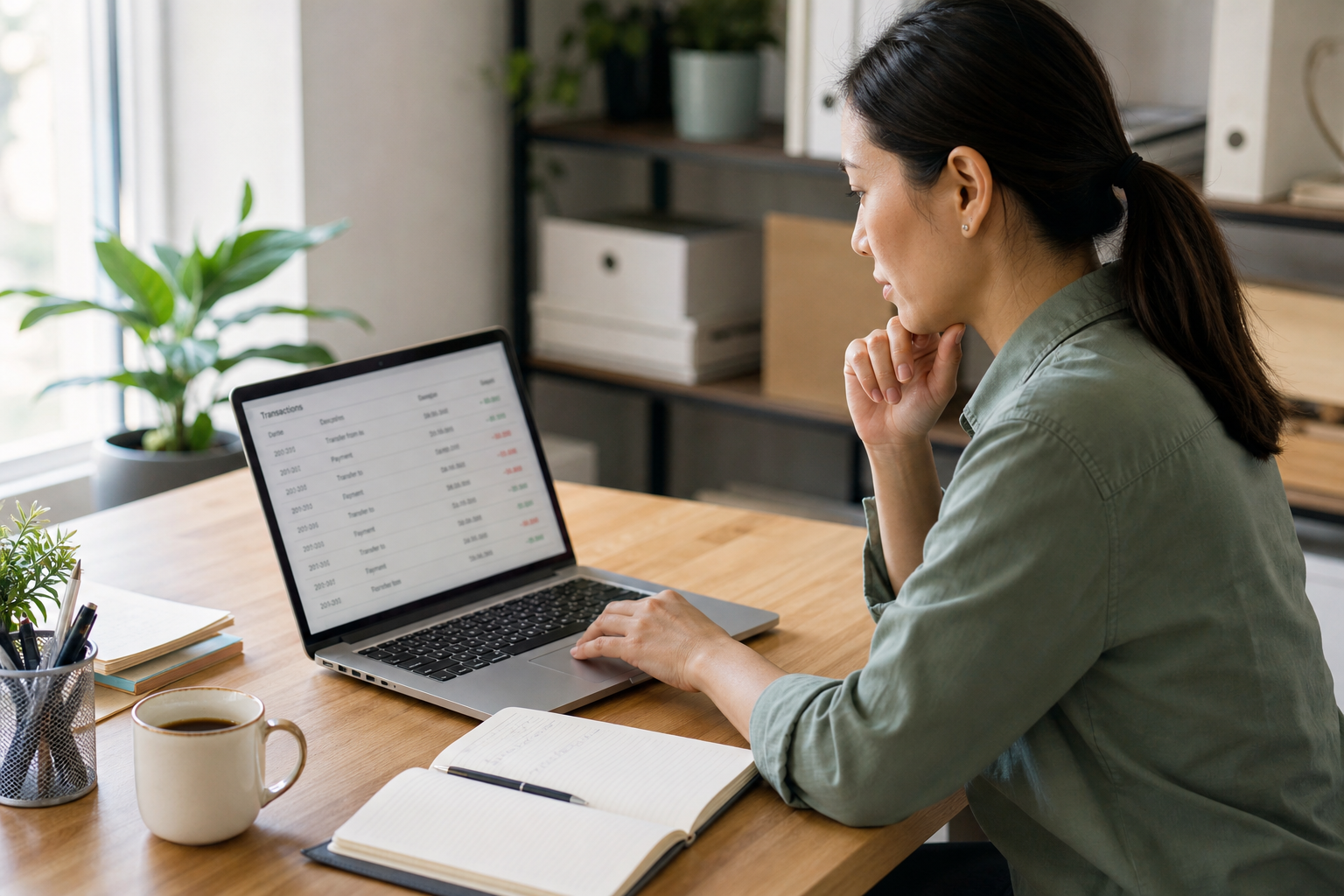
So, what is automated clearing house? Automated Clearing House (ACH) is the U.S. electronic network that moves money between bank accounts in batches. It powers payroll direct deposits, bill payments, and many online bank transfers, and it is one of the most widely used payment rails in the country.
Quick answer: ACH is a batch-based bank-to-bank network governed by Nacha rules. Standard transfers usually settle in one to three business days, and same-day ACH is available for eligible payments.
What Is Automated Clearing House?
Automated Clearing House is a network that clears and settles electronic payments between U.S. banks and credit unions. Instead of moving each payment one by one, banks group them into batches and exchange them at set times. As a result, the cost per payment stays low.
Nacha, a nonprofit association, writes the rules for the network. The Federal Reserve and The Clearing House operate the central systems that sort and deliver entries. You can read more about the rulemaking body at Nacha.
How ACH Payments Work Step by Step
An ACH payment follows a predictable path. In practice, it looks like this:
- Authorize. The payer permits the business to debit or credit their bank account.
- Submit. The business or its provider sends the entry to its bank, the originating bank.
- Route. The originating bank batches the entry and sends it to an ACH operator.
- Post or return. The receiving bank posts the payment or returns it with a reason code.
- Settle. Funds settle between banks and become available, typically in one to three business days.
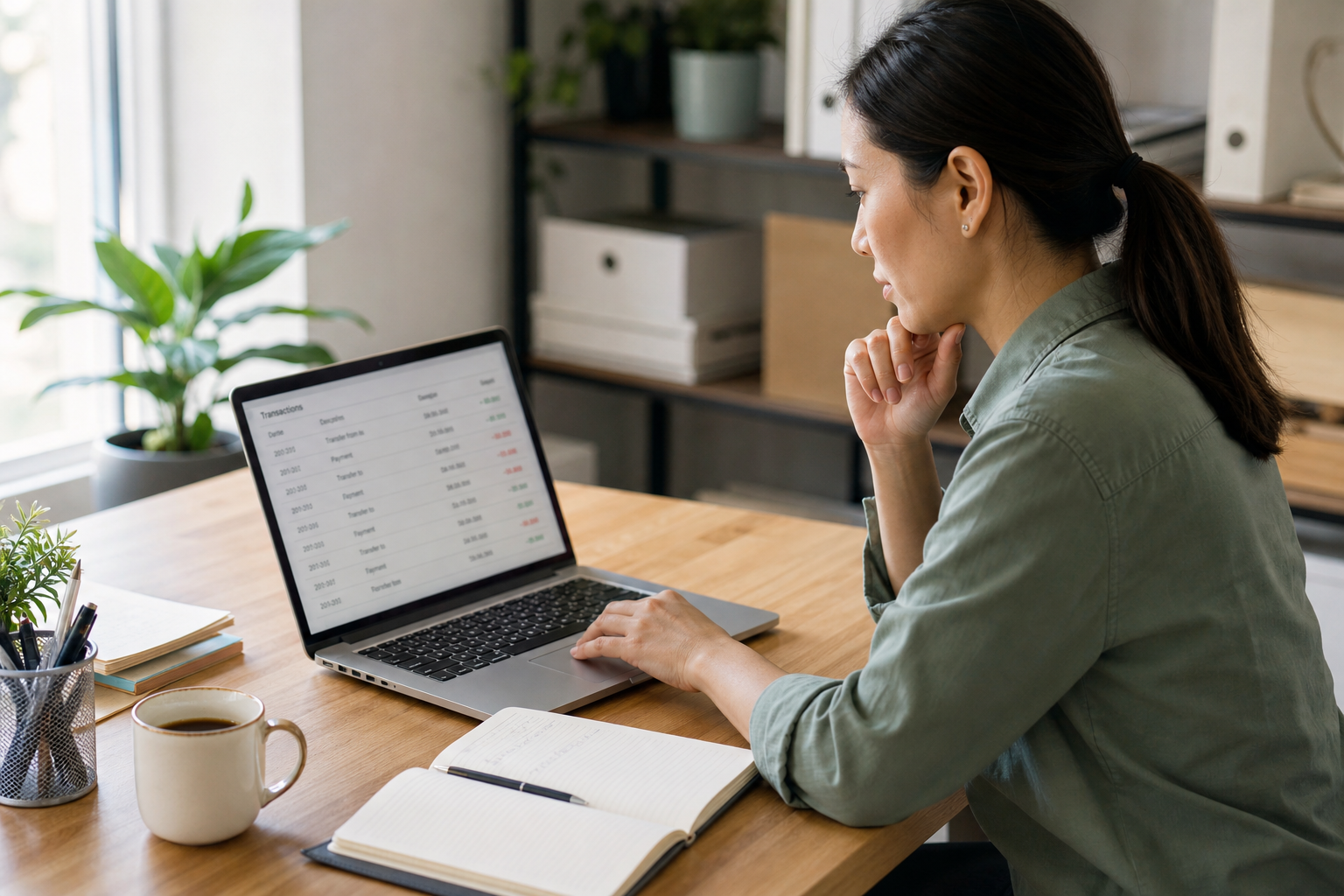
A business owner reviewing bank transfers helps illustrate what is automated clearing house activity in everyday finance.
ACH Credit vs. ACH Debit
ACH moves money in two directions. An ACH credit pushes funds from the sender to the receiver. Payroll direct deposit is the classic example.
An ACH debit pulls funds from a payer’s account after they give permission. For example, a utility bill paid automatically each month is an ACH debit. Because the business initiates it, authorization records matter.
Common Uses of ACH Transfers
- Payroll and direct deposit
- Recurring bills, rent, and subscriptions
- Vendor and supplier payments
- Government benefits and tax refunds
- Person-to-person and account-to-account transfers
ACH Speed, Cost, and Limits
ACH trades speed for low cost. The table compares it with two other common methods in general terms.
| Method | Typical speed | Typical cost |
|---|---|---|
| Standard ACH | 1 to 3 business days | Low |
| Same-day ACH | Same business day | Low to moderate |
| Wire transfer | Often within hours | Higher |
Fees vary by bank and provider. In addition, ACH only operates on business days, so weekend submissions wait until the next banking day.
Risks: Returns, Fraud, and Compliance
ACH payments can be returned. Common reasons include insufficient funds, a closed account, or an unauthorized debit. Therefore, businesses watch their return rates closely and keep clear authorization records.
Fraud controls also matter. Account validation, velocity limits, and monitoring reduce risk. For a broader view of how platforms manage these concerns, see this guide to a SOC 2 compliant payment platform and this look at a risk management payment platform.
How ACH Fits With Newer Payment Methods
ACH remains a strong choice for payroll, bills, and large recurring payments. However, shoppers now expect more options at checkout, including digital wallets, crypto, and buy now pay later (BNPL), which lets customers pay over time.
Adding each method separately can be complex. Bitoaz is an enterprise payments platform that lets payment providers and software platforms add Digital Assets, Digital Wallets, and BNPL through one integration. Customers pay through a hosted checkout, and merchants keep their existing systems and receive U.S. dollar settlement. Availability varies by region and partner. For more context, read about one integration for multiple payment methods and the modern checkout puzzle.

Digital wallets sit alongside bank-based methods like ACH at modern checkouts.
Frequently Asked Questions
What is automated clearing house in simple terms?
What is automated clearing house? It is a U.S. electronic network that moves money between bank accounts in batches. It handles payments such as direct deposit, bill pay, and online bank transfers.
Who runs the ACH Network?
Nacha manages the rules for the ACH Network. The Federal Reserve and The Clearing House act as the two main ACH operators that process the payments.
How long does an ACH transfer take?
Standard ACH typically takes one to three business days. Same-day ACH can settle within the same business day when it is submitted before the cutoff.
What is the difference between ACH credit and ACH debit?
An ACH credit pushes money from the sender’s account to the receiver. An ACH debit pulls money from the payer’s account after they authorize it.
Is ACH the same as a wire transfer?
No. ACH settles in batches and usually costs less, while wire transfers move individually and are typically faster but more expensive.
How much does ACH cost?
Fees depend on your bank or payment provider. ACH is generally cheaper than card acceptance, but pricing varies, so check your provider’s fee schedule.
Is ACH safe?
ACH operates under Nacha rules and uses bank-level controls. Safety still depends on good practices such as account validation, authorization records, and fraud monitoring.
What is an ACH return?
An ACH return happens when the receiving bank rejects a payment. Common reasons include insufficient funds, a closed account, or an unauthorized debit.
Can ACH payments be reversed?
Only in limited cases, such as duplicate or erroneous entries. Consumers can also dispute unauthorized debits within the time limits set by Nacha rules and federal regulations.
What are common ACH payment types?
Common types include direct deposit of payroll, recurring bill payments, vendor payments, tax refunds, and person-to-person bank transfers.
What mistakes should businesses avoid with ACH?
Avoid skipping written or recorded authorization, entering wrong account details, and ignoring return rates. Also plan cash flow around settlement timing.
How does ACH compare with newer payment methods?
ACH is low-cost and widely used but slower than instant methods. Newer options such as digital wallets, crypto, and buy now pay later add consumer choice alongside it.
Conclusion
Understanding what is automated clearing house gives you a clear view of how everyday U.S. bank payments move. ACH is low-cost, batch-based, and governed by Nacha rules, with trade-offs in speed and returns. Pair it with newer methods when customers want more choice, and review the Federal Reserve for background on payment systems. If you are a payment provider or platform exploring additional tenders, talk to Bitoaz about adding them through one integration.
